LIVING HERITAGE / GASTRONOMY
 From ajvar and family memory to
food experiences that connect us
with the past
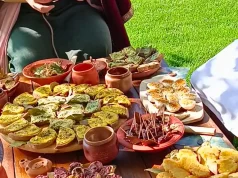
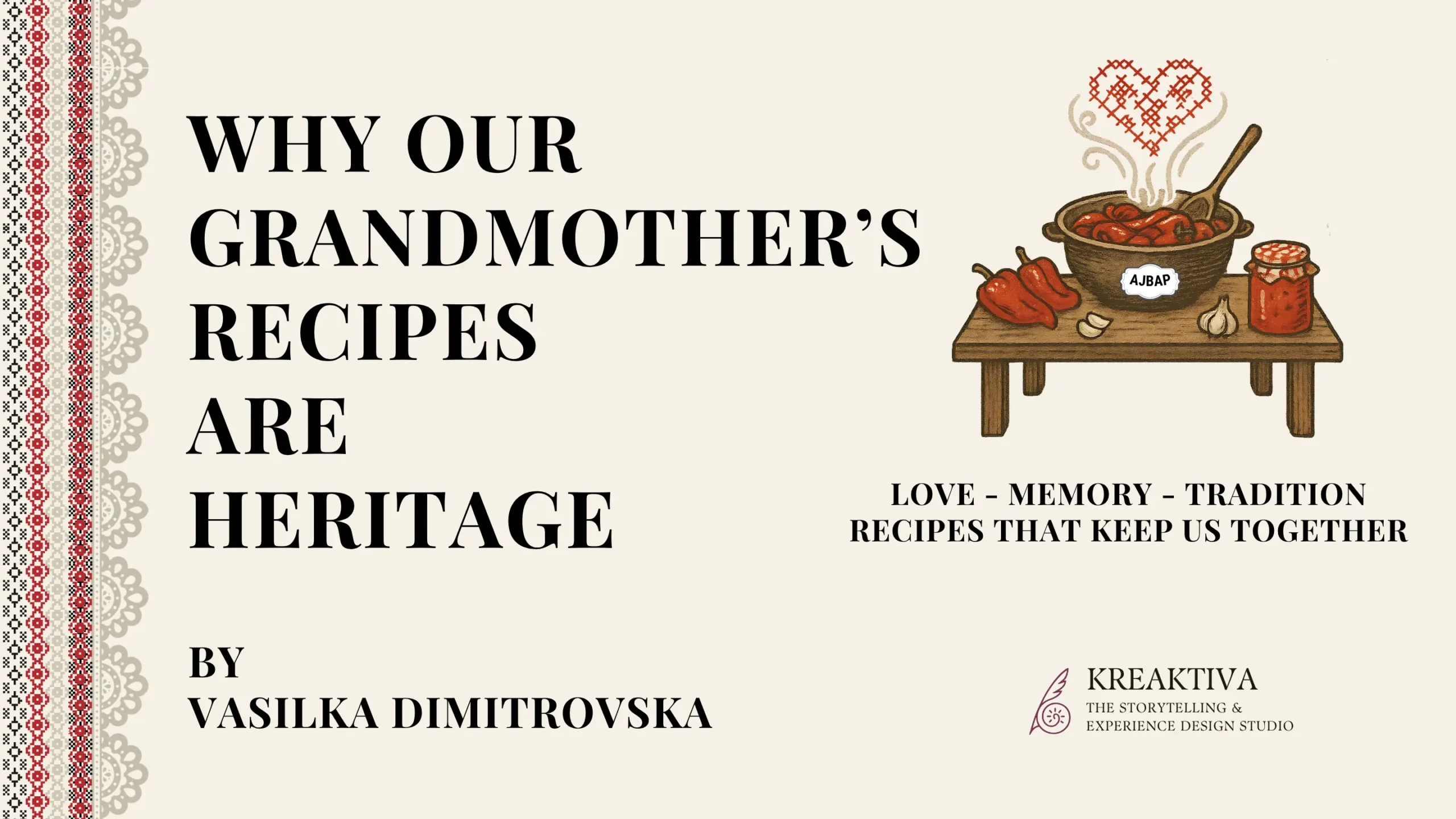
Every autumn in Macedonia, families gather around roasted peppers, fire, large pots and familiar routines to prepare ajvar.
This is not simply cooking. It is knowledge passed from one generation to another. It is memory, skill, timing, taste, family roles and shared work. Much of it is never written down. It is learned by watching, helping, repeating and remembering.
This is why a recipe is much more than a list of ingredients.
It is living heritage.
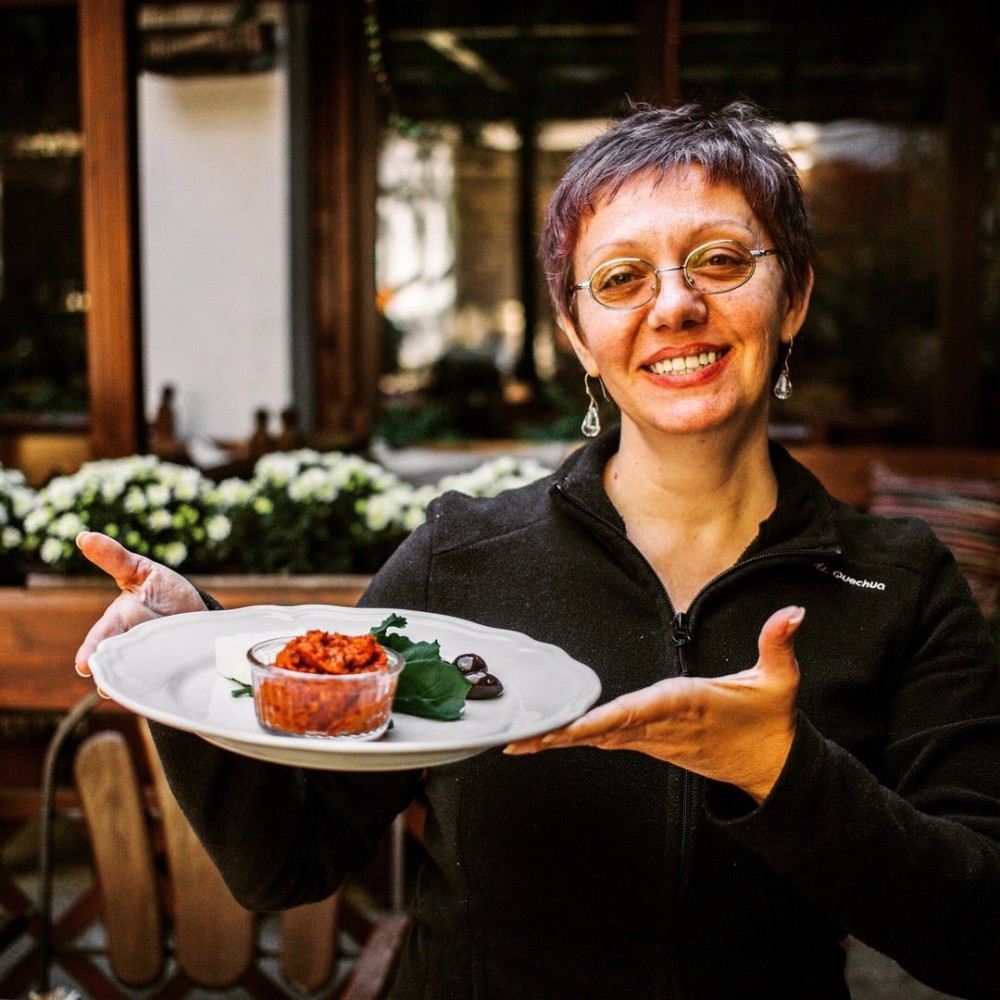
Food as memorySome of our strongest memories are connected with food. We remember who prepared it, where we were sitting, who was around the table, how the kitchen smelled and which traditions returned every year. A family recipe carries much more than ingredients. It can preserve knowledge about seasons, local products, preparation techniques, hospitality and the way families and communities once organised everyday life. In 2022, I explored this relationship through an EU-funded project focused on gastronomy as cultural identity. From Skopje to Demir Kapija, food became a way of talking about place, memory, belonging and local knowledge. |
It is memory. A taste can carry centuries of stories. |
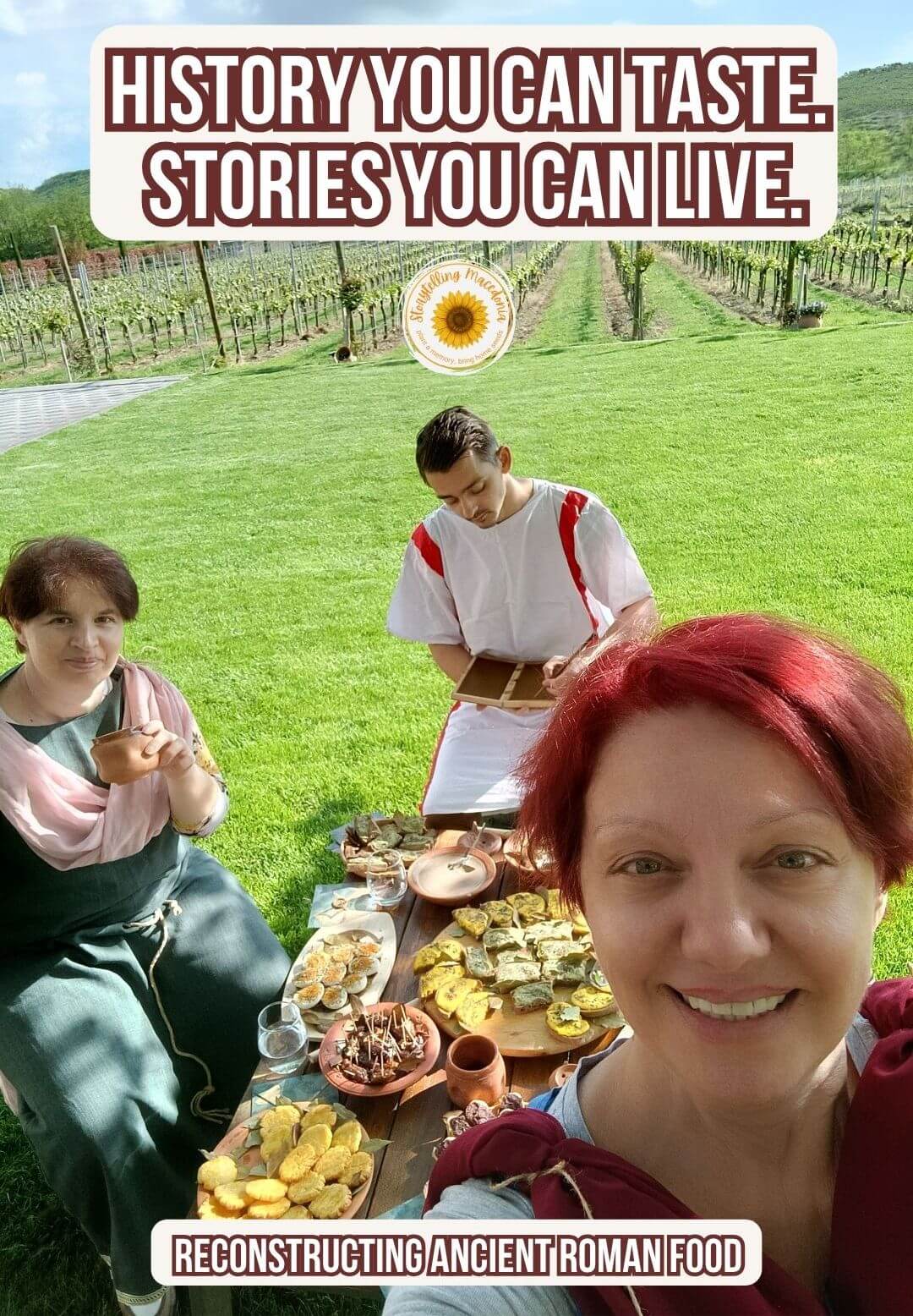
Food as a way into the pastWhat did people eat? Where did their ingredients come from? How was food prepared? What was considered ordinary, luxurious or ceremonial? Who shared the table? Food can open a remarkably direct route into the past because eating is one of the most universal human experiences. At KREAKTIVA, gastronomy appears across different historical and cultural contexts. Ancient food can help us imagine everyday life beyond monuments and objects. Roman wine can open stories about trade, production, movement and social life. Medieval gastronomy can reveal relationships between landscape, resources, belief, seasonality and hierarchy. |
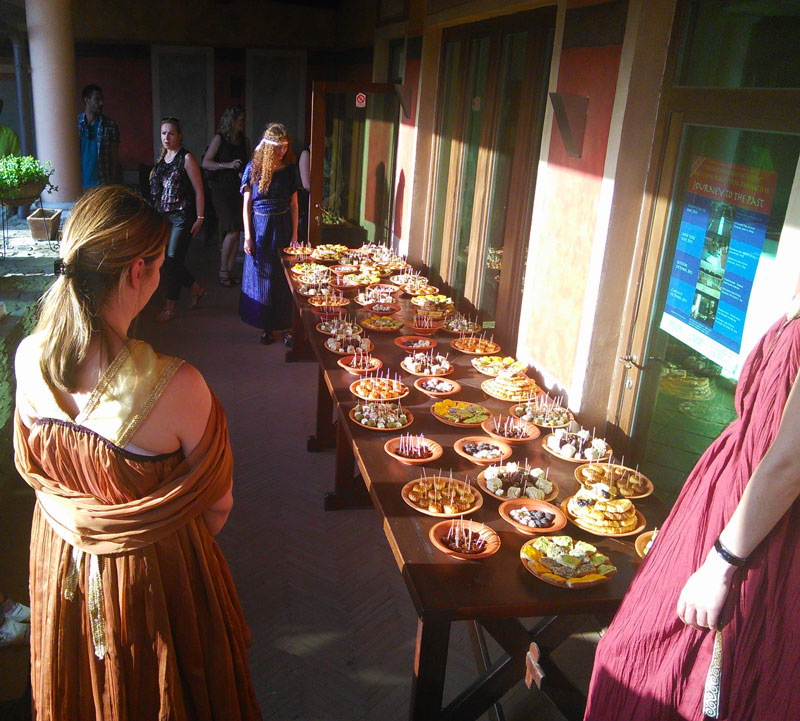
Food can open a direct route into the past. |
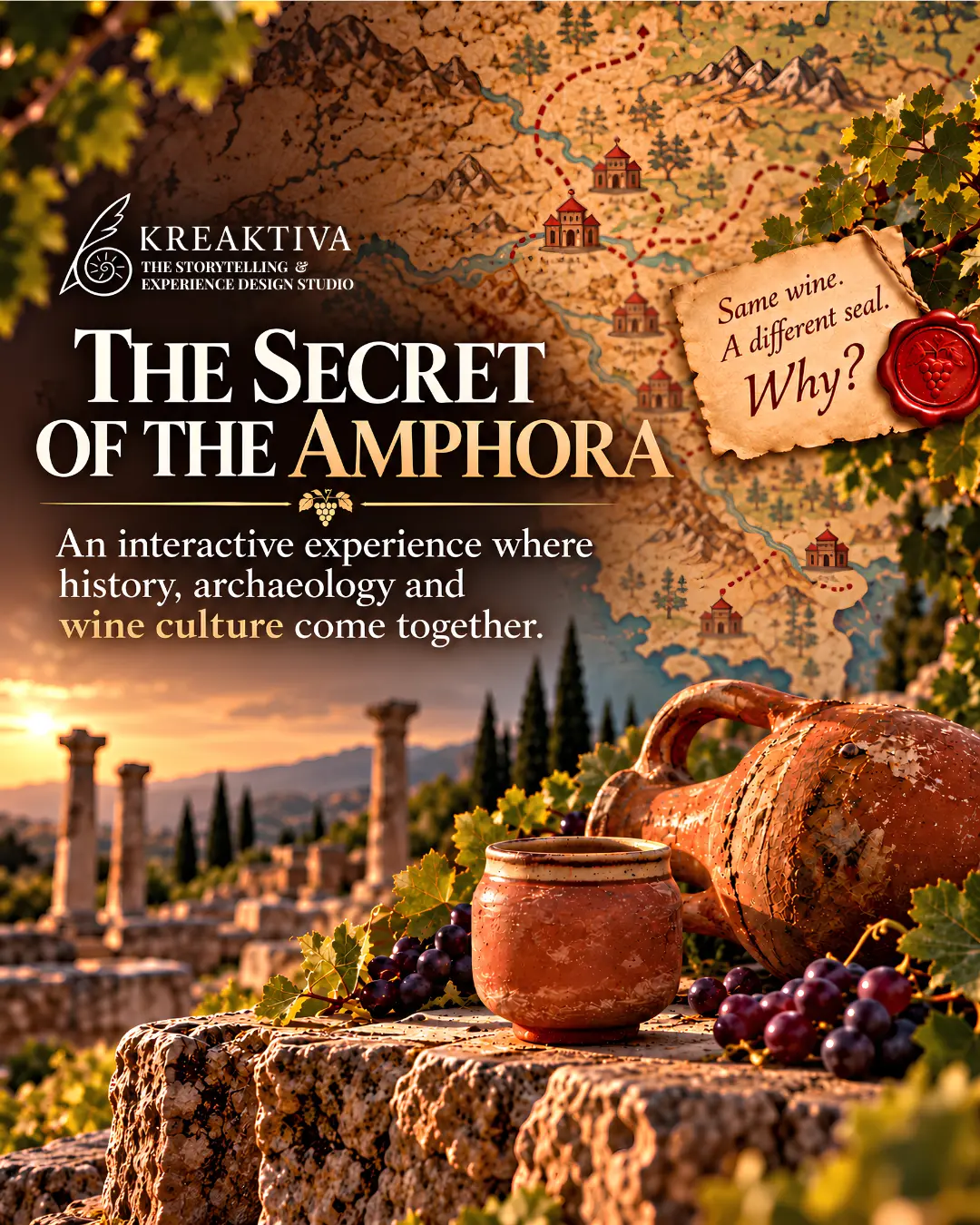 |
When food becomes an experienceFor KREAKTIVA, gastronomy is not simply an addition to a programme. It can become part of the storytelling itself. In The Secret of the Amphora, Roman wine is not there merely to create atmosphere. It becomes part of a larger investigative experience connected with movement, exchange, identity and archaeological evidence. A flavour, ingredient, vessel, recipe or drinking custom can become a bridge between archaeological evidence, historical knowledge and personal experience. Taste. Explore. Connect. |
Heritage we can tasteA family recipe and an archaeological food story both depend on context. Meaning appears when we reconnect taste with story, place, people and knowledge. Living food traditions should not be frozen in time. They change, as families and communities change. But the knowledge, memory and relationships behind them matter. Because heritage does not exist only in museums, monuments or archives. Sometimes it is prepared in a kitchen. Sometimes it travels in an amphora. Sometimes it is shared around a table. And sometimes the shortest path to understanding another time, place or community begins with taste. |
Same ingredients. |
Related KREAKTIVA Experiences |
FOOD • PEOPLE • PLACES • STORIES |
|
|
|
|