Roots. Identity. Belonging. A bond with our ancestors.
There are many ways to understand heritage. Some of it can be seen, touched, collected, displayed or preserved in museums. But some of the most powerful forms of heritage live elsewhere.
They live in people.
In the stories we heard from our grandparents. In songs, rituals and celebrations. In recipes prepared without written instructions. In traditional skills learned by watching someone else’s hands. In beliefs, expressions, customs and knowledge passed from one generation to another.
This is the world of intangible cultural heritage.
For me, this is not only a professional field. It is deeply personal.
Through my work in heritage, and particularly through my experience with intangible cultural heritage and UNESCO-related safeguarding processes, I have seen how strongly living traditions can connect people with their families, communities and sense of belonging.
I am also a bearer of the spring custom Martinki, an element of intangible cultural heritage inscribed on UNESCO’s Representative List as part of a multinational nomination. That experience changed the way I look at heritage.
When you are part of a living tradition, heritage is no longer something you observe from the outside. You understand that its meaning is carried by the people who practise it, recognise it as their own and pass it forward.
This distinction matters.
Intangible heritage is not simply material waiting for someone else to interpret it. Its bearers already give it meaning through practice, knowledge, memory and transmission. The role of heritage professionals is therefore not to speak instead of communities, but to support appropriate ways of documenting, safeguarding, communicating and presenting what those communities themselves carry.
Heritage beyond the museum object
Museums have traditionally been associated with collections and physical objects. Yet the object is often only one part of a much larger story.
A traditional costume may survive in a museum collection, but the knowledge of how it was made, when it was worn, what its motifs meant and who created it belongs to another layer of heritage.
A cooking vessel can be preserved. A family recipe, the gestures used to prepare it and the memories surrounding it may disappear within a generation.
A musical instrument can enter a collection. The songs, occasions and social meanings connected with it may not.
This is why intangible heritage matters so much to contemporary heritage practice. It allows us to see heritage not only as something inherited from the past, but as something continually carried, shared and recreated by people.
From heritage to meaningful experience
This understanding is also part of the thinking behind KREAKTIVA.
When I founded KREAKTIVA, I brought with me years of work in archaeology, heritage interpretation, storytelling and cultural heritage management, including direct experience with safeguarding intangible cultural heritage.
Today, some of our experiences naturally draw on these forms of living heritage.
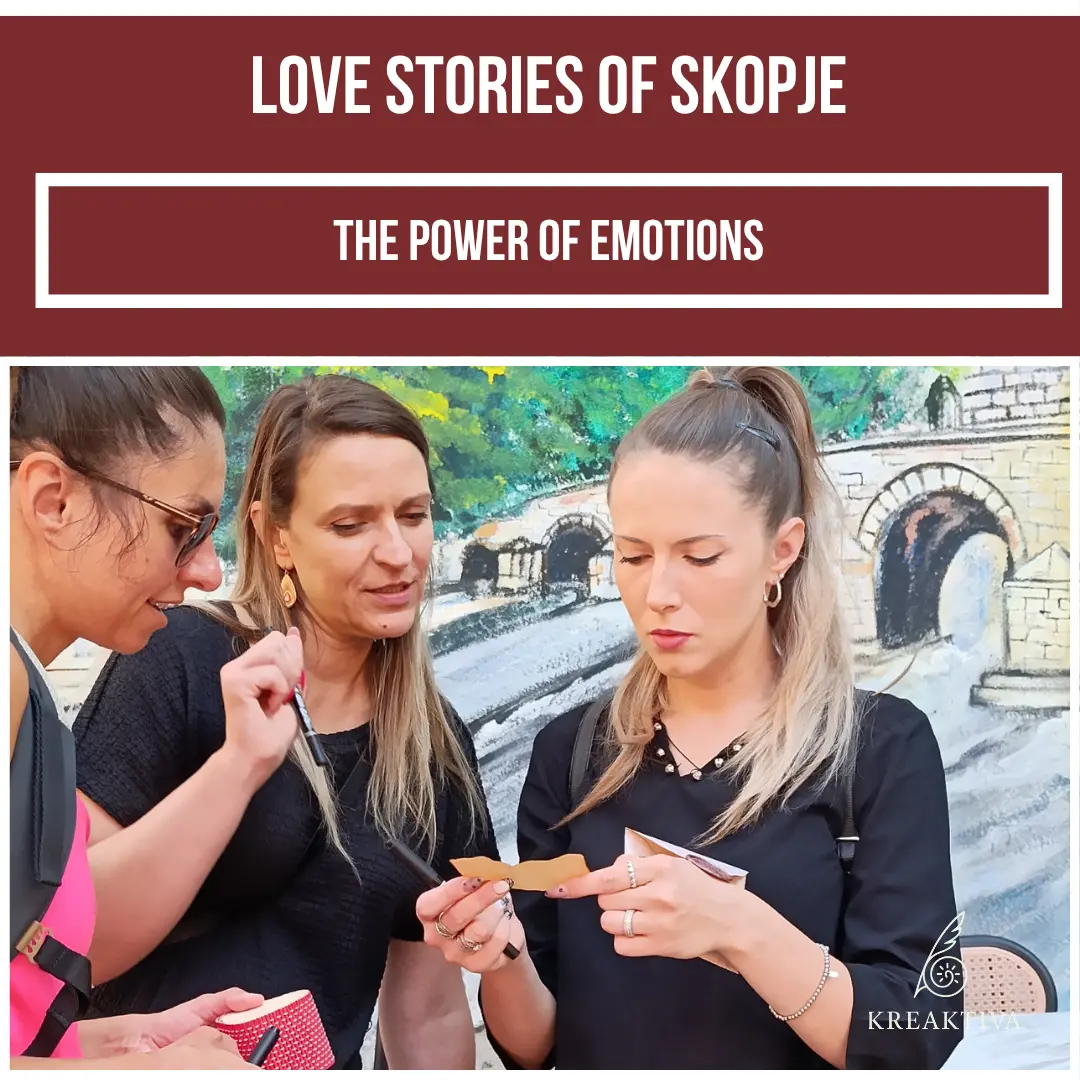
Love Stories of Skopje works with memory, urban stories and the emotional landscape of the city.
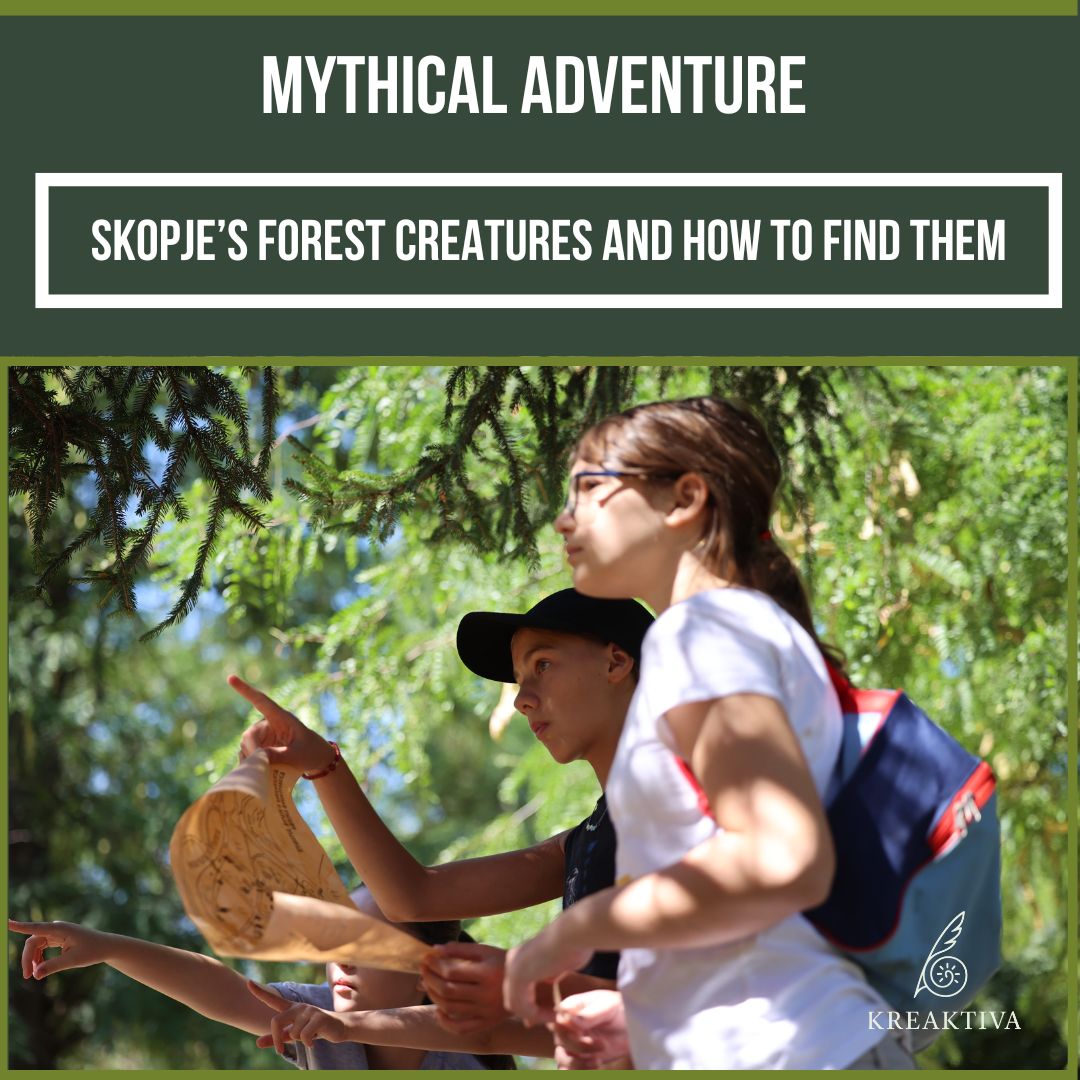
Mythical Adventure draws on traditional Macedonian mythology and beliefs.
Other projects explore gastronomy, storytelling, customs and local knowledge as ways of connecting people with places and communities.
The purpose is not to replace the voice of heritage bearers.
It is to create thoughtful formats through which their stories, knowledge and traditions can be communicated and experienced with respect, context and meaning.
Why does this matter today?
Because living heritage can disappear quietly.
A recipe stops being prepared.
A story is no longer told.
A skill is not passed on.
A word falls out of use.
A ritual loses the people who remember why it mattered.
Safeguarding intangible heritage therefore begins with people.
With recognition. With transmission. With respect for the communities that carry it.
And perhaps this is why we are so deeply attached to intangible cultural heritage.
It tells us where we come from.
It helps us understand who we are.
And it creates a connection between generations that no museum object can carry on its own.
ROOTS • IDENTITY • BELONGING
BOND WITH OUR ANCESTORS
Author
Vasilka Dimitrovska
Founder & Creative Director, KREAKTIVA
Heritage Consultant and Certified Interpretive Trainer
Explore related KREAKTIVA experiences
Discover how stories, traditions and living heritage become meaningful experiences.
KREAKTIVA • Living Heritage
Working with living heritage?
We support cultural organisations, communities and creative professionals in developing responsible ways to communicate and present heritage while respecting its context, origins and bearers.